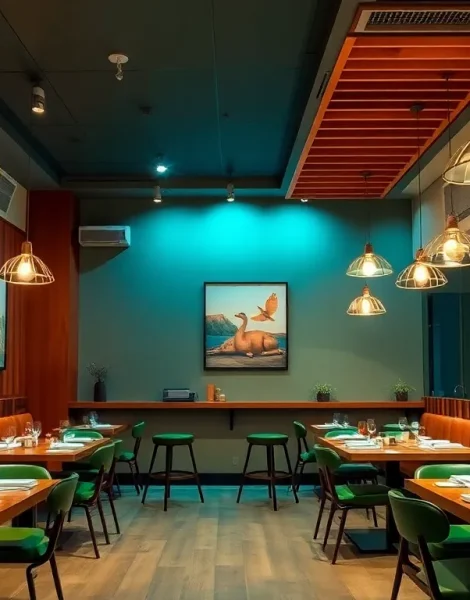
Looking to revamp your restaurant? Discovering the right interior design can feel like searching for the last piece of pizza at a party, it’s crucial. A well-crafted ambiance can turn casual diners into loyal fans and enhance their culinary experience. Let’s take a fun yet informative stroll through the world of restaurant interior design ideas that will not only attract customers but keep them coming back for more.
Key Elements of Restaurant Interior Design
Creating a Unique Atmosphere
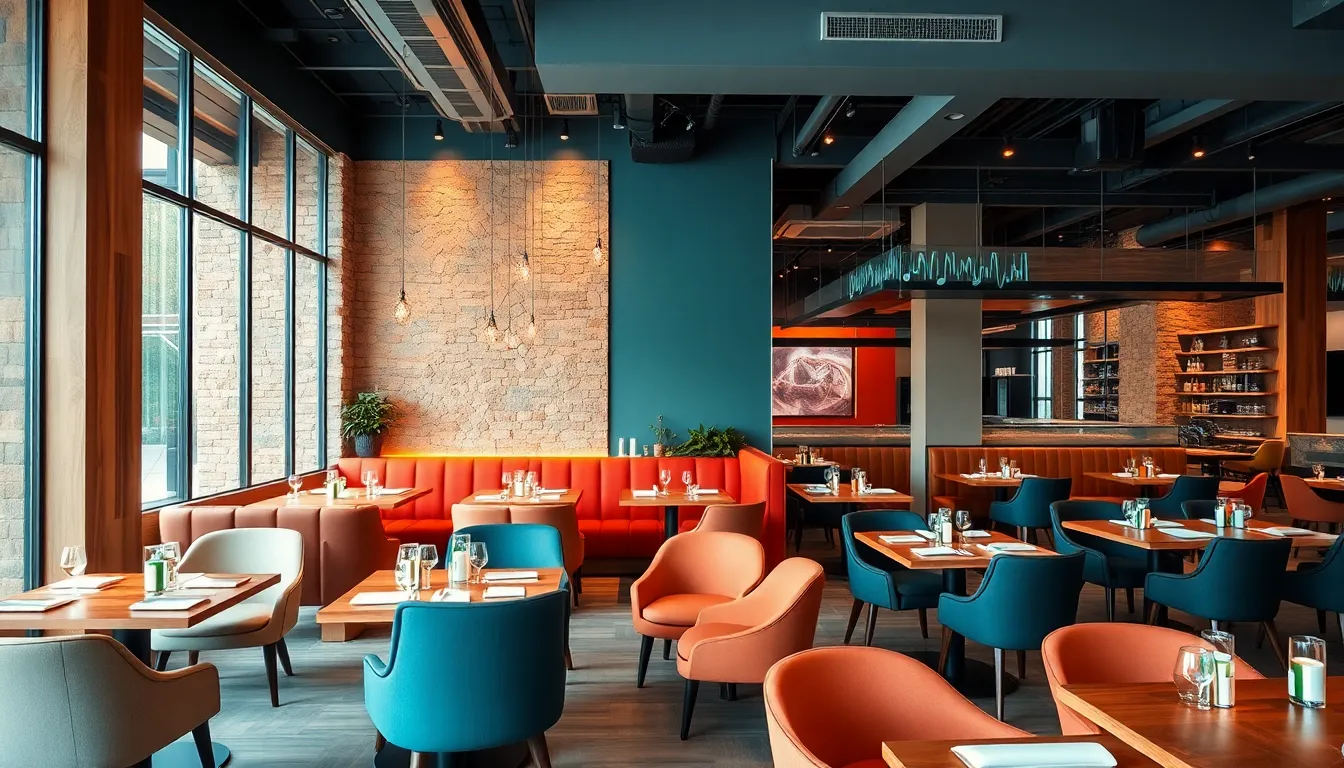
Every restaurant aims for a signature vibe that sets it apart from the competition. The atmosphere should resonate with the intended audience. For instance, a family-friendly diner will require a different ambiance than a romantic bistro. Natural elements, such as wood or stone, can evoke warmth, while modern materials like glass and metal can create a sleek, contemporary look. Strategic music choices also play a vital role in elevating the dining experience.
Color Schemes and Their Impact
Color wields significant power in design. Warm colors like reds and oranges can stimulate appetite, making them perfect for lively eateries. In contrast, cool colors such as blues and greens promote relaxation, ideal for fine dining. The right palette creates psychological effects that nurture emotions and enhance the dining experience. A playful mix of colors can also keep the environment lively without overwhelming the senses.
Choosing the Right Furniture
Space Planning for Functionality
Optimal space planning is crucial for efficient operations. Each table should not only fit comfortably, but also allow easy navigation for both staff and diners. A balance between cozy seating and ample space fosters a welcoming atmosphere where guests feel at ease. Consider the flow of traffic: placing tables too close can create congestion. Modular furniture options offer flexibility for changing guest volumes while maintaining style.
Lighting Solutions for Ambiance
Lighting can truly transform a space. A well-lit restaurant captivates patrons, creating a memorable experience. Dimmed lights can foster intimacy, suitable for date nights, while bright lighting can energize a bustling breakfast spot. Play with layers, pendants over tables, wall sconces for accents, and ambient ceiling lights can cater to various moods throughout the day.
Incorporating Local Culture in Design
Sustainable and Eco-Friendly Design Choices
Embracing local culture through design not only showcases community heritage but also appeals to conscious consumers. Incorporating locally sourced materials can create a sense of place and support the economy. Eco-friendly elements, such as reclaimed wood or low-VOC paints, can enhance the restaurant’s appeal while showing a commitment to sustainability. Think beyond aesthetics, environmental responsibility resonates with many diners today.
Modern Trends in Restaurant Interiors
Technology Integration in Design
Today’s restaurant environments often merge technology with aesthetics. Touchless menus, mobile ordering, and smart table settings enhance guest interaction. LED displays create vibrant atmospheres, showcasing daily specials. Let’s not forget about social media: Instagram-worthy designs are more important than ever. Incorporating unique backdrops for photos can drive organic social media traffic, bringing in even more customers.
Flexible Spaces for Different Dining Experiences
Creating flexible dining spaces is essential for accommodating various experiences. Open layouts can be versatile for casual dining on weekdays, transforming into intimate settings for special occasions. Consider movable partitions that can adapt the space according to the crowd’s needs. This flexibility ensures that guests feel special no matter the occasion.