Have you ever wondered what the crystal ball gazers of yesteryear thought the world would look like today? Buckle up, because we’re diving into the whimsical world of old predictions of the future. From flying cars to robot butlers and everything in between, these predictions can sometimes make you laugh, sometimes make you cringe, but they always spark curiosity. Join us as we tread through time, exploring famous forecasts that have shaped, or perhaps misled, our expectations of progress. Who knows? You might just find the future they envisioned more entertaining than you imagined.
The Golden Age of Predictions
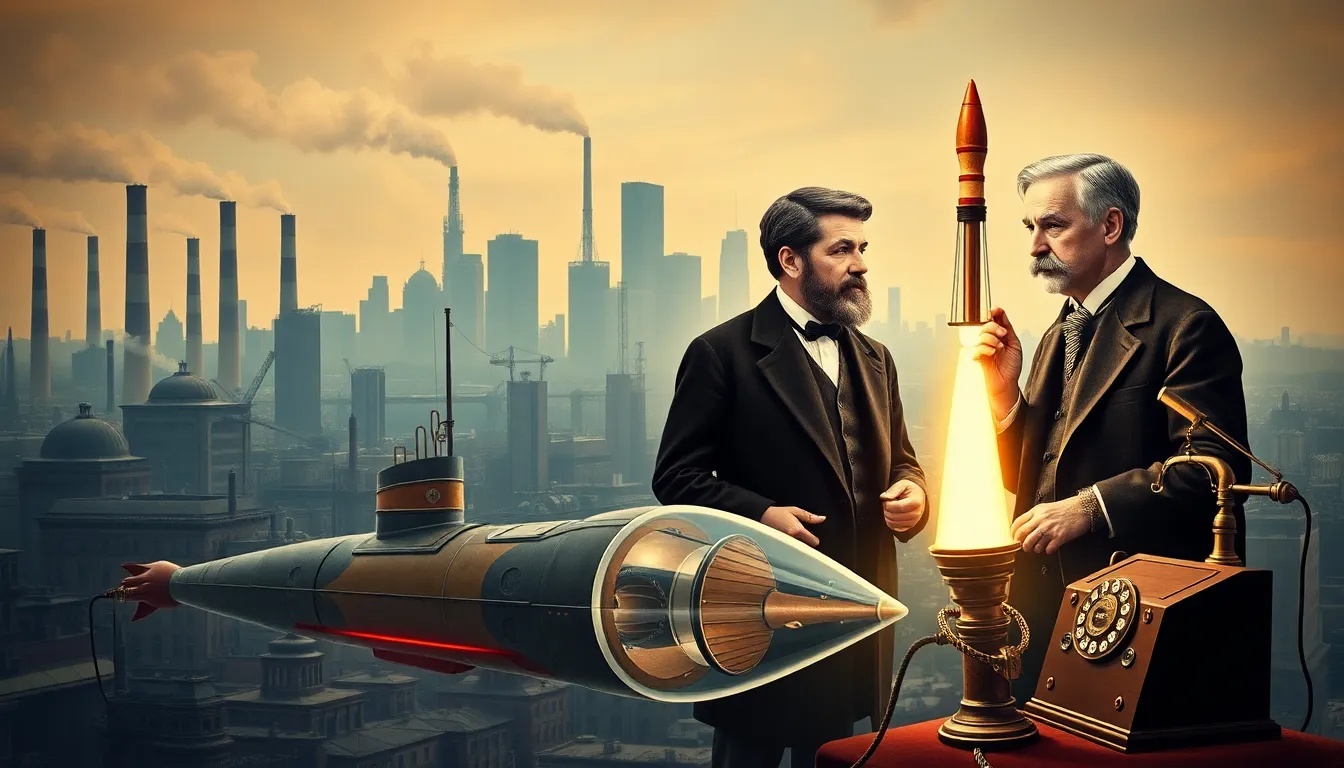
Understanding the Context
In the late 19th and early 20th centuries, society was buzzing with optimism. The Industrial Revolution had ushered in a wave of progress that dazzled imaginations and fueled wild ideas. Electric lights replaced gas lamps, and telephones transformed communication. Amid these seismic shifts, predictions about the future flourished, often laced with a fervent belief in endless possibilities.
Famous Futurists and Their Predictions
Futurists like Jules Verne and H.G. Wells captured this spirit perfectly. Verne’s tales of space travel and submarines enthralled readers, while Wells’s works hinted at futuristic societies with advanced technologies. These pioneers not only entertained but also influenced real-world innovations. People began speculating wildly about what the next century might hold, spurring countless predictions, some of which bordered on the fantastical.
Technological Predictions from the Past
The Industrial Revolution and Beyond
As the Industrial Revolution unfolded, inventors and visionaries were bold in their predictions. They envisioned a world where machines would handle all labor, leading to unprecedented leisure time. Unfortunately, they may have underestimated humanity’s ability to mismanage progress. While workers certainly benefited from mechanization, societal upheavals and labor riots often marred the journey toward that utopian dream.
Architectural and Transportation Innovations
Fast forward to the early 20th century: predictions about transportation were particularly ambitious. The vision of hover cars and high-speed trains captured the imagination. Some even proposed cities in the sky, a notion that feels oddly sustainable now as we push for innovation in urban areas. One notable example is Buckminster Fuller, who foresaw a future where we would navigate through highways in the sky, so creating a bright vision of seamless travel.
Cultural and Societal Predictions
Changes in Lifestyle and Society
As technology evolved, so did expectations about everyday life. Predicting a surge in leisure activities, many envisioned a society where work would diminish, hobbies would flourish, and robots would take care of dull chores. While automation has indeed left us with more free time, people still appear caught up in the frenzy of busy schedules. Did they miss the mark, or is there still time for a more relaxed lifestyle?
Predictions about Work and Leisure
Another prevalent notion was that future workplaces would be entirely transformed by technology, allowing for incredible flexibility. Remote work and digital nomadism might be the closest we’ve come to fulfilling those predictions, although the dream of total leisure is still eluding us. The blurring of professional and personal life raises questions about what work should look like in a modern world that often finds itself tethered to screens.
The Role of Science Fiction in Shaping Expectations
Imagining the Future Through Literature
Science fiction has played a pivotal role in molding public expectations of the future. Writers such as Isaac Asimov and Philip K. Dick explored the complexities of human interaction with technology, subtly articulating fears and hopes. Their visionary ideas often inspired real scientific endeavors, allowing readers to experience intricacies of the future long before they became reality.
Cinematic Visions of Tomorrow
Film has similarly shaped our imagination about the future. Classics like “Blade Runner” and “2001: A Space Odyssey” offered captivating glimpses into the potential of technology and its impact on humanity. These movies didn’t just provide entertainment: they influenced real-world technologies, instilling a sense of excitement about what was possible. In turn, these stories pushed society to strive for those ideals, even when they seemed unattainable.
Lessons Learned from Historical Predictions
What We Got Right and Wrong
The history of predictions is a fascinating tapestry woven with threads of brilliance and folly. Remarkably, some visions, like the internet and mobile communication, took flight, while others, like personal jetpacks, remain elusive. Yet, the exploration of these forecasts teaches valuable lessons about humanity’s ability to adapt, innovate, and, at times, misjudge the trajectory of technological advancement.
The Impact of Predictions on Society
The societal impact of these predictions cannot be overstated. They have shaped public policy, inspired investments, and cultivated scientific inquiry. Also, these forecasts often reflect the values and hopes of the time, revealing what society prioritized at various junctures. Whether right or wrong, they offered a mirror to cultural aspirations.