The iconic trilogy “Back to the Future” isn’t just a delightful romp through time: it’s a treasure trove of predictions about our future that, at times, feel eerily accurate. Imagine stepping into Doc Brown’s DeLorean and discovering that the film’s dazzling predictions didn’t just stop at hoverboards and flying cars. Buckle up as we venture through the film’s whimsical world, juxtaposed with aspects of our modern reality. Spoiler alert: some predictions are still stuck in the past.
Overview of Back To The Future
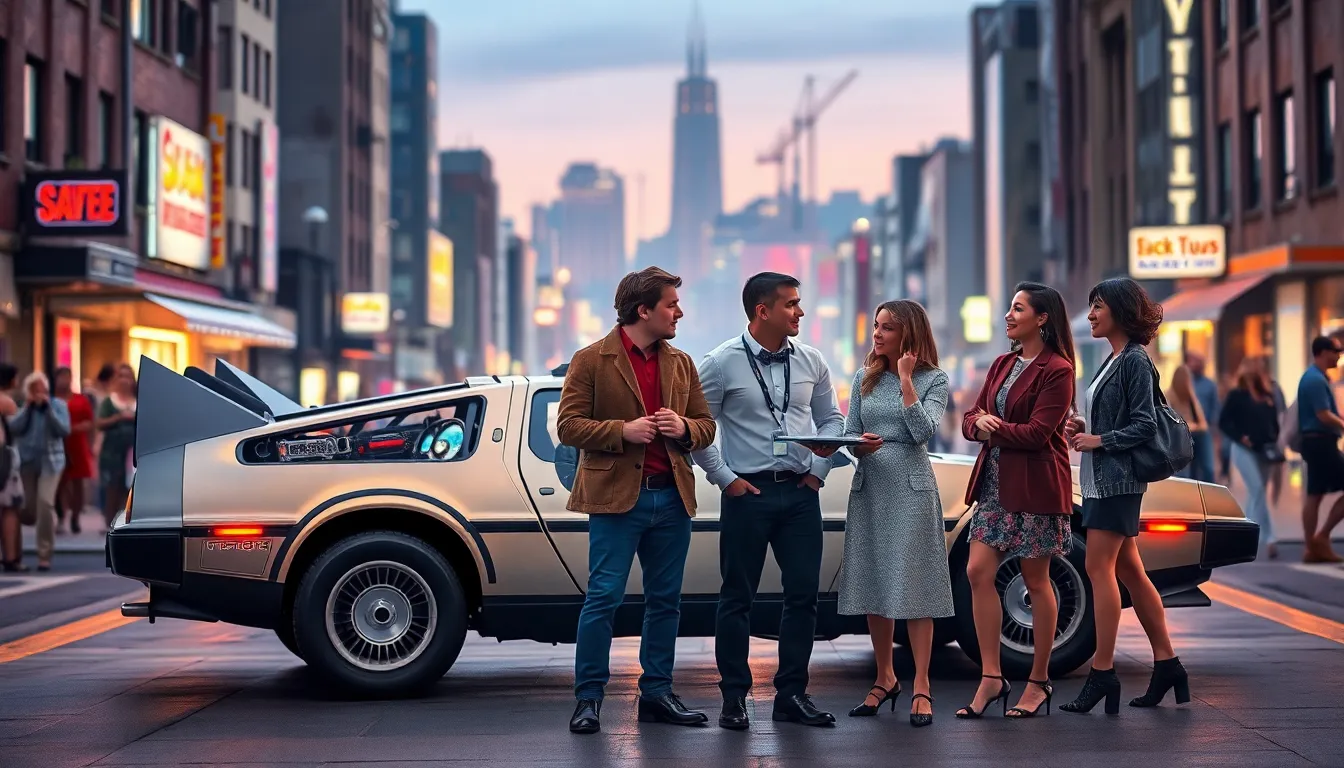
The original “Back to the Future” premiered in 1985, directed by Robert Zemeckis and produced by Steven Spielberg. The film tells the story of Marty McFly, a teenager who inadvertently travels back in time to 1955 in a DeLorean modified by the eccentric Doc Brown. It wasn’t just an adventure: it became a cultural phenomenon, succeeding in both entertainment and innovative storytelling. While the film primarily serves as a comedic and heartfelt journey through time, it also served as a platform for numerous predictions about technology, fashion, and social dynamics. As the series continued with sequels released in 1989 and 1990, the hopes for idealistic futures captivate audiences, blending humor and insights into possible technological advancements.
Cultural Impact of the Film Series
The cultural impact of “Back to the Future” cannot be overstated. From its catchphrases like “Great Scott.” to the unforgettable score by Alan Silvestri, the series embedded itself into the fabric of 80s culture and beyond. It sparked countless discussions about time travel and its implications. Fans dressed as Marty and Doc for conventions, while schools embraced it as a teaching tool about the potential of scientific and technological advancements. Besides, the series has consistently resurfaced in pop culture, think of parodies in shows like “The Simpsons” and references in numerous films. The trilogy’s delightful mix of adventure, comedy, and a touch of science fiction not only changed the cinematic landscape but also influenced how audiences perceive technological progress.
Key Predictions That Came True
Many of the predictions made in the series have surprisingly found their way into our reality. Let’s jump into a few standout examples that have materialized across the decades.
Technological Predictions and Their Developments
One of the most iconic predictions was the advent of video conferencing. In the film, characters engage in face-to-face calls with giant screens, something that wasn’t commonplace in 1985 but is now a daily routine thanks to platforms like Zoom and FaceTime. Also, the concept of wearable technology is now realized, with smartwatches and fitness trackers that monitor health, an idea that caught the attention of many viewers back in the day.
Fashion Trends and Their Evolution
The fashion predictions, particularly the self-lacing shoes and automated clothing, have intrigued tech enthusiasts. Nike even released a version of self-lacing shoes in 2016, much to the delight of fans of the film. While clothing hasn’t yet fully automated to the film’s extent, the rising trend of functional and futuristic wear continues to draw from that vision.
Transportation Innovations
The film envisioned hoverboards and flying cars, which might not be in full swing yet, but several companies are racing to develop flying taxis and personal drones. Also, electric scooters have become a staple of urban transport, echoing the film’s quirky take on transportation.
Predictions That Did Not Materialize
Of course, not all of the film’s predictions came to fruition. One glaring example is the idea of flying cars. Even though significant advancements in technology, the dream of cars zooming through the sky remains elusive, often portrayed as critical in personal transport. The film also predicted advanced holograms and the widespread use of touchscreen technology, which have indeed seen advancements but not to the extent envisioned. Another miss is the portrayal of future sports, with a seeming lack of the anticipated innovations in athletic games. The film painted a vibrant picture of what sports would look like in the future, but much of that remains more aspirational than actual.
The Future According to Back To The Future’s Vision
What does the future hold according to the insights gleaned from “Back to the Future”? The imagination portrayed through Marty’s escapades opened the doors for discussions not just about what the future could be but what choices we make today. The desire to innovate is reflected in how the younger generation reveres technology. Interestingly, the film isn’t merely about achieving the unfathomable, it’s also about making the best of what one has, a lesson we can all take to heart even during tech revolutions. As we blend entertainment with insights, the film urges individuals to think critically about technological advancements, emphasizing that progress is a journey requiring careful navigation.